Longer Lives Are a Gift. We Haven't Built for Them Yet.
People are living longer than ever — with more experience, judgment, and perspective. But our systems were designed for shorter lives, smaller families, and local caregivers.
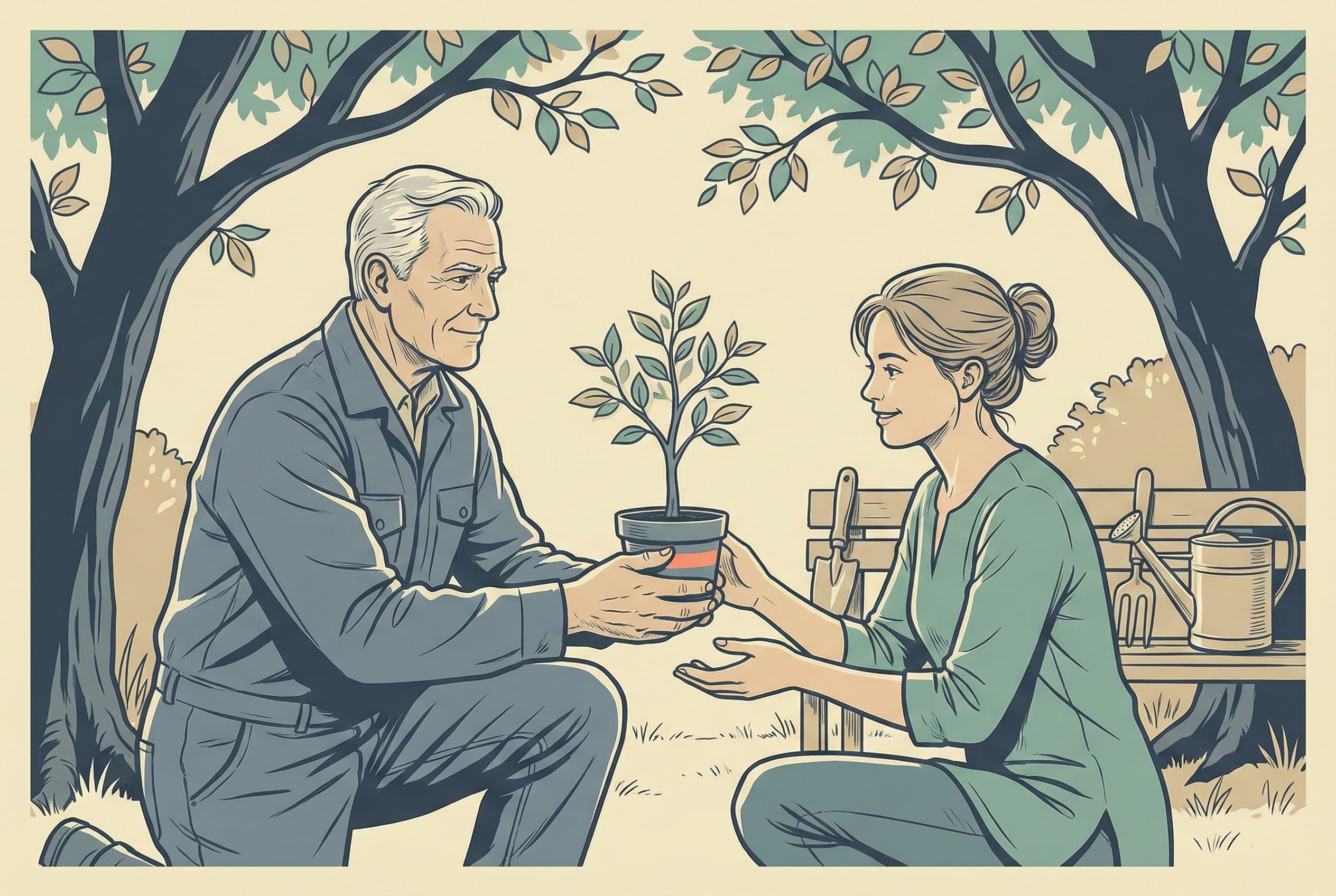
A Success Story, Not a Crisis
People are living longer than ever. This is not a problem to solve—it's a success of medicine, nutrition, and public health. We have extended life expectancy dramatically, and that is something to celebrate.
But this success has revealed something important: the systems around aging have not evolved at the same pace. Our homes, our communities, and our technologies were designed for shorter lives and different expectations.
We built infrastructure for careers that last 40 years, not lives that last 80 or 90. We designed neighborhoods for families with children, not for multigenerational connection. We created technologies for productivity and efficiency, not for continuity and belonging.
Aging in Place: A Preference, Not a Cost Issue
Most older adults do not want to leave their homes. This isn't about money or convenience—it's about what home means. Familiar spaces, independence, dignity, purpose, and human connection.
Research consistently shows that older adults want to age in place. They want to stay in the communities they know, near the people they care about, in the spaces that hold their memories. This is a universal human desire, not a luxury or a preference only for the wealthy.
But our homes were never designed for long lives. And our communities were never designed to stay connected across decades. We need new infrastructure—not just physical infrastructure, but social and technological infrastructure that supports continuity.
Loneliness: The Hidden Risk
Safety matters. But safety alone does not reduce loneliness. Being useful does. Being connected does. Being part of a community does.
The greatest risk of aging in place is not physical—it's social. Isolation. Disconnection. The feeling that you are no longer needed, no longer seen, no longer part of the world around you.
This is why SilverConnect is different. It's not built to monitor or manage. It's built to enable connection, preserve relationships, and create conditions for elders to help each other. When elders can help other elders, when neighbors can stay connected, when families can coordinate without anxiety—loneliness decreases and wellbeing increases.
Purpose: The Missing Design Principle
Most systems for aging focus on protection and monitoring. They manage decline. They track movements. They send alerts. But they don't enable contribution. They don't preserve purpose. They don't create conditions for elders to help each other.
Purpose is not a feature. It's a design principle. When elders can help other elders, when they can contribute to their communities, when they can feel useful and needed—wellbeing improves on both sides. The person giving help feels needed. The person receiving help feels respected.
SilverConnect is built around this principle. It enables safe, local, reciprocal contribution. It preserves relationships over time. It creates conditions for purpose, not just protection.
SilverConnect: A Response to Fragmentation
This is not elder technology.
This is future-of-life technology.
As people live longer, caregivers are fewer, families are more distributed, and communities are more fragmented. The gap between wisdom and infrastructure is widening.
SilverConnect exists to close that gap — by giving longevity the systems it deserves. Not to replace humans with technology, but to let experience, care, and contribution keep circulating.
This is about supporting the golden years of today — and building continuity for the generations that follow.
This is infrastructure for the future all of us are entering. A way for homes to remember who belongs. A way for help to arrive through trust, not strangers. A way for elders to keep giving, not just receiving. A way for families to stay connected without constant anxiety.
Most systems manage decline. SilverConnect supports continuity. It preserves relationships. It enables elders to help each other. It creates conditions for purpose, dignity, and belonging—not just for elders, but for all of us as we move through longer lives.
Building the Future Together
Join our Private Beta as a Founding Family and help shape infrastructure for longer, more connected lives.